
Should You Keep Driving When the Check Engine Light Comes On?
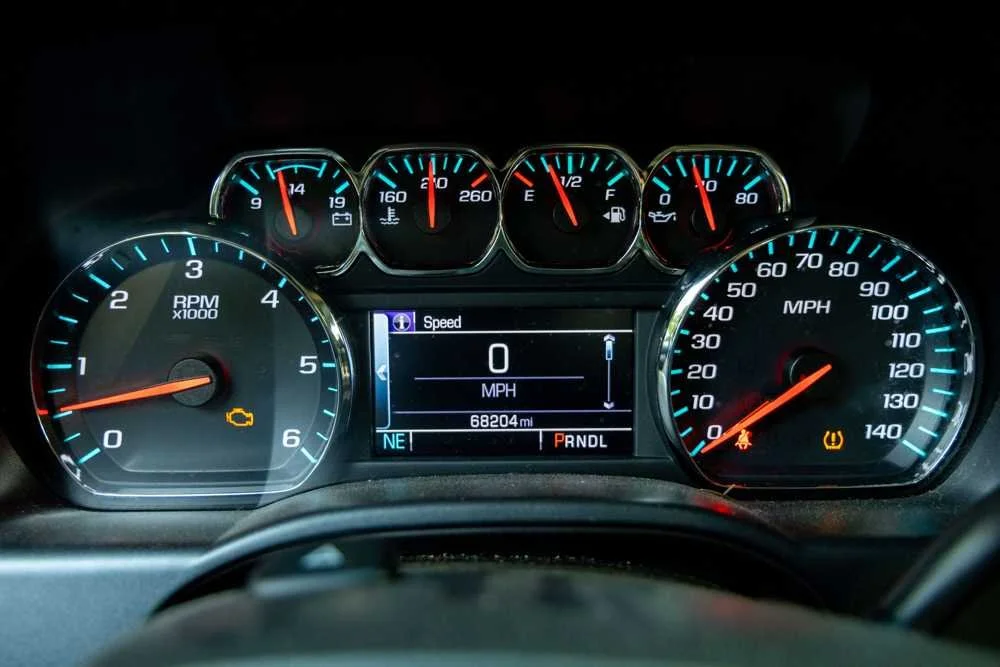
Introduction: That Moment of Panic Behind the Wheel
It always happens at the worst time. You’re halfway to work or headed out of town when that amber “check engine” light suddenly appears. Your car still drives fine — but should you keep going or pull over?
At Kwik Lube & Services in Killeen, TX, we see this situation daily. The check engine light doesn’t always mean disaster, but it’s never something to ignore. Sometimes it’s a minor issue like a loose gas cap. Other times, it signals a problem that could cause severe engine damage or costly repairs if you keep driving.
Let’s break down what this warning really means — and how to know whether it’s safe to keep your wheels turning.
1. Understanding What the Check Engine Light Really Means
Your car’s onboard computer (ECU) constantly monitors sensors that track how the engine, fuel, and exhaust systems perform. When something falls outside normal limits, it logs a Diagnostic Trouble Code (DTC) and triggers the check engine light.
This light is part of the OBD-II system, a universal diagnostic standard for all modern vehicles. But here’s the challenge: the light doesn’t tell you what is wrong — only that something is. It could be a loose gas cap or a failing catalytic converter.
That’s why professional scanning is crucial — it translates the code into the actual issue so the right repair can be made.
2. Solid vs. Flashing Check Engine Light — There’s a Big Difference
Before you decide to keep driving, look closely at the light’s behavior.
Solid Light: Indicates a non-urgent fault, like a sensor malfunction or emissions issue. Your car is usually safe to drive short distances but needs diagnostics soon.
Flashing Light: Means a serious problem, often an engine misfire that can overheat and destroy your catalytic converter. Stop driving immediately and call a professional.
If the light flashes while you’re driving, reduce speed, avoid hard acceleration, and get to a safe location before shutting off the engine.
3. Common Reasons the Light Comes On
Knowing the likely causes can help you assess how serious it might be. Some of the most frequent triggers include:
Loose gas cap (common after refueling)
Faulty oxygen (O₂) sensor
Bad spark plug or ignition coil
Catalytic converter inefficiency
Mass airflow (MAF) sensor fault
EVAP system leak
Transmission or torque converter issue
Even minor issues affect performance and fuel economy, so don’t delay getting them checked.
4. When It’s Usually Safe to Keep Driving
If the check engine light is steady, and the car feels normal — no loss of power, stalling, or unusual noises — it’s typically safe to drive short distances to your destination or repair shop.
But “safe” doesn’t mean “ignore it.” The longer you wait, the greater the chance that a small repair turns into a major one.
For example:
Driving with a failing O₂ sensor can damage your catalytic converter ($1,000+).
Ignoring a minor misfire can lead to piston or valve damage.
Postponing a MAF sensor repair can cut fuel economy by 20%.
The safest choice is to schedule a diagnostic scan at Kwik Lube & Services as soon as possible.
5. When You Should Pull Over Immediately
Certain symptoms mean “don’t risk it.”
If you notice any of these along with your check engine light, stop driving right away:
Flashing light (severe misfire)
Engine knocking, pinging, or rattling
Loss of power or stalling
Overheating or smoke
Burning smells or visible leaks
Continuing to drive could lead to complete engine failure or even unsafe driving conditions. It’s always better to pull over safely and call a professional than to gamble on getting home.
6. What to Check Before You Call a Mechanic
If you’re not seeing major performance issues, try these quick checks first:
Tighten the gas cap. The most common (and easiest) fix.
Listen and observe. Any new sounds, smells, or vibrations?
Monitor your gauges. If temperature or oil pressure readings are off, stop driving.
Drive gently. Avoid heavy loads or high speeds until you reach a shop.
Sometimes, the light will turn off within a few trips if the issue was temporary — but if it returns, diagnostics are essential.
7. How a Mechanic Diagnoses the Problem
At Kwik Lube & Services, our ASE-certified technicians use advanced OBD-II scanners to pull exact fault codes from your vehicle’s computer.
The diagnostic process includes:
Reading and interpreting DTCs
Checking freeze-frame data (the exact conditions when the fault occurred)
Viewing live data from sensors and fuel trims
Performing component and pressure tests if needed
Confirming the fix by clearing codes and retesting
This precision prevents unnecessary part replacements and ensures we fix the true cause — not just the symptom.
8. Why Ignoring the Light Costs More in the Long Run
Some drivers keep going for weeks with the light on. Unfortunately, that “it still runs fine” mindset can lead to expensive damage.
Example Scenarios:
A $25 gas cap ignored becomes a $600 EVAP system repair.
A $100 O₂ sensor delay ruins a $1,200 catalytic converter.
A $15 spark plug turns into a $3,000 engine rebuild.
The check engine light is essentially a warning system designed to save you money if you act early.
9. The Killeen Factor: Local Driving Conditions Matter
Texas heat and highway speeds make engine management systems work harder. Dust, extreme temperatures, and stop-and-go traffic around Fort Hood can all stress components like sensors, plugs, and gaskets.
That’s why Kwik Lube & Services recommends having your vehicle scanned and inspected twice a year — even if the light isn’t on — to catch small problems before they trigger a code.
10. What to Do Next: Don’t Panic — Get It Checked
If your check engine light just came on:
Check that the gas cap is tight.
Observe whether the light is steady or flashing.
Drive gently to Kwik Lube & Services in Killeen for a quick diagnostic scan.
Let our team identify the fault code and explain your options.
We provide honest, transparent service — no upsells, just facts. Once we know what caused the light, we’ll show you the issue, provide an estimate, and get you safely back on the road.
Frequently Asked Questions
Q1: Can I drive to work with my check engine light on?
A: If the light is steady and the car feels normal, it’s usually safe for a short drive. Schedule a diagnostic soon to prevent damage.
Q2: What does a flashing check engine light mean?
A: It means a severe misfire or major fault — stop driving immediately and seek professional help.
Q3: Will disconnecting the battery turn off the light?
A: It may temporarily reset it, but the code will return if the problem isn’t fixed. Always diagnose before clearing codes.
Q4: Why does my check engine light come on after I fuel up?
A: It’s often a loose gas cap or minor EVAP leak. Tighten the cap and drive a few miles — if the light stays on, get it scanned.