
Common Check Engine Light Myths That Cost Drivers Money
Introduction: Myths That Keep the Light On — and Your Wallet Open
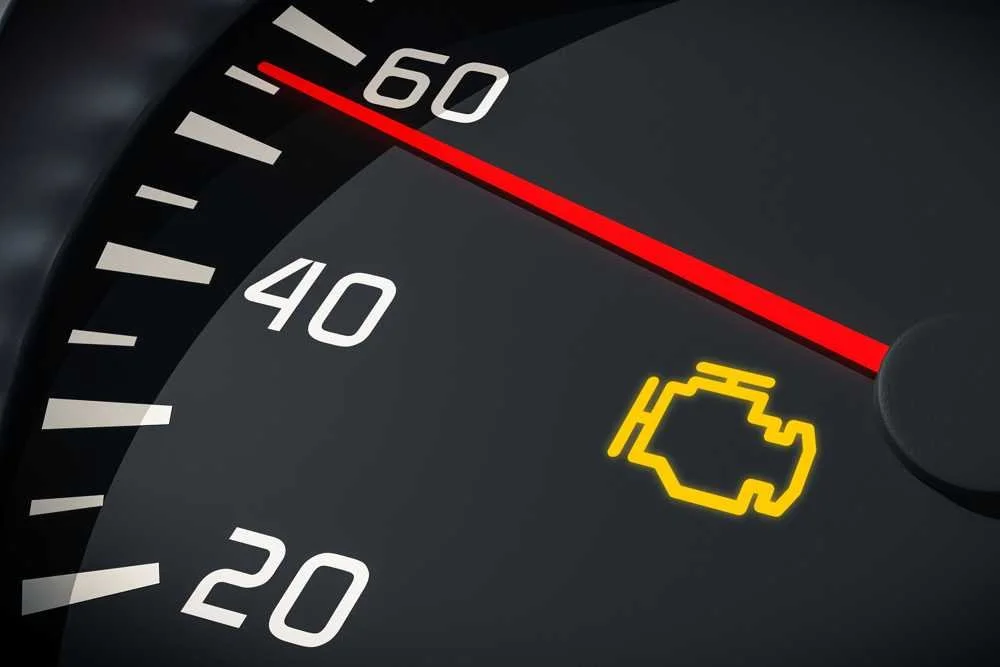
If you’ve ever seen your check engine light come on and thought, “It’s probably nothing,” you’re not alone. This small dashboard icon is one of the most misunderstood signals in automotive history.
At Kwik Lube & Services in Killeen, we’ve met countless drivers who delayed service because of bad advice — only to end up with bigger, more expensive repairs later. The truth is, some of the most common “check engine light tricks” you hear from friends or online forums can actually cost you hundreds (or thousands) of dollars.
Let’s separate fact from fiction with these common myths — and the real truths behind them.
Myth #1: “It’s always just the gas cap.”
It’s true that a loose or damaged gas cap can cause the light to come on. But it’s far from the only reason — or even the most common one.
Reality:
While tightening your gas cap is a good first step, over a dozen different systems can trigger the same warning. Common culprits include:
Faulty oxygen or mass airflow sensors
EVAP system leaks
Misfiring spark plugs
Failing catalytic converter
If tightening the gas cap doesn’t fix the issue after a few trips, it’s time for a professional diagnostic scan. Otherwise, you might overlook a growing problem.
Myth #2: “If I reset the light, the problem goes away.”
You can clear the light by disconnecting the battery or using a basic OBD-II scanner — but that doesn’t solve the problem.
Reality:
Resetting the light only erases the symptom, not the cause. The computer’s internal monitors will eventually detect the same fault again. Meanwhile, your car could be running inefficiently or damaging critical components.
At Kwik Lube & Services, we don’t just clear codes — we fix what caused them. Once repairs are verified, the light turns off naturally.
Myth #3: “If the car feels fine, I can ignore the light.”
Many drivers assume that if the car starts and drives normally, the light must be harmless. Unfortunately, that’s how minor issues turn into major repairs.
Reality:
Modern vehicles are designed to compensate for small problems automatically, which can hide symptoms. For example:
A faulty sensor may cause the engine to run too rich, quietly reducing your fuel economy.
A mild misfire can gradually clog your catalytic converter.
A minor vacuum leak can trigger lean fuel conditions and damage valves.
Even when performance feels normal, unseen issues are still costing you money — and potentially harming your vehicle’s emissions system.
Myth #4: “Diagnostics are a scam — mechanics just guess.”
This myth comes from a misunderstanding of what diagnostics actually involve. Some drivers think mechanics simply plug in a scanner and print a code.
Reality:
A proper diagnostic is a multi-step process, not a guess. Professional mechanics use advanced scanners to:
Read stored Diagnostic Trouble Codes (DTCs)
Analyze freeze-frame data showing when the issue occurred
Review live sensor readings (air/fuel ratio, ignition timing, O₂ voltage, etc.)
Test and confirm the root cause before any repair
At Kwik Lube & Services, our diagnostics eliminate the guesswork — saving you from replacing the wrong parts.
Myth #5: “A flashing light just means it’s more urgent.”
It’s not just “urgent” — it’s critical.
Reality:
A flashing check engine light usually means a severe misfire or critical malfunction that can damage the catalytic converter in minutes.
Driving with a flashing light can:
Overheat exhaust components
Melt internal converter parts
Ignite unburned fuel in the exhaust
If your check engine light is flashing, pull over safely and shut off the engine immediately. Then contact a professional shop like Kwik Lube & Services for assistance.
Myth #6: “It’s just an emissions thing — it won’t affect performance.”
This myth is only half true — and completely misleading.
Reality:
Many “emissions” components are tied directly to your car’s performance and efficiency.
A bad O₂ sensor or EGR valve affects fuel delivery.
EVAP leaks can alter vapor pressure and fuel trims.
Catalytic converter inefficiency increases exhaust restriction and power loss.
Emissions components don’t just protect the environment — they help your engine run correctly.
Myth #7: “I can pass inspection if I clear the light first.”
Clearing the codes right before an emissions test might seem clever — but it won’t work.
Reality:
When codes are cleared, your car’s onboard monitors reset. The inspection system checks whether those monitors have completed their tests. If they haven’t, you’ll automatically fail.
It typically takes 50–100 miles of driving for the system to relearn and confirm all readiness monitors. The better move is to repair the underlying fault before inspection time.
Myth #8: “Parts stores scan for free, so I don’t need a mechanic.”
Auto parts stores can read basic codes — and that’s a good start — but the information is often incomplete.
Reality:
Free scans don’t include live data, freeze-frame analysis, or confirmation testing. The clerk might say, “It’s your O₂ sensor,” when the real cause is a vacuum leak or wiring issue.
At Kwik Lube & Services, our advanced diagnostic tools provide full OBD-II data and technician interpretation, not just a printout. That difference ensures your car gets the right fix, not just a guess.
Myth #9: “All check engine lights are the same.”
Not quite. Some cars illuminate the light for minor sensor variations, while others don’t trigger it until a system fails completely.
Reality:
Every manufacturer sets unique thresholds for fault detection. That’s why code P0420 (catalyst efficiency) might appear on one model at 60,000 miles and another at 100,000.
Understanding your specific vehicle’s systems requires professional tools that access manufacturer-level data — something we use every day at our Killeen shop.
Myth #10: “It’s cheaper to wait until the light flashes.”
Waiting until your car demands attention is almost always the costliest strategy.
Reality:
The check engine light acts as an early warning system. Small issues like misfires, leaks, or failing sensors often cost under $200 to repair — but if ignored, they can cause catastrophic damage.
At Kwik Lube & Services, we’ve seen $100 sensor fixes turn into $2,000 repairs because of delayed action. Diagnosing early means saving money and avoiding downtime.
Why These Myths Persist — and How to Stay Informed
The internet is full of “quick fixes” that sound good but fail in real life. Misinformation spreads quickly because many check engine light issues appear random — the light might come on, go off, then come back later.
To stay informed:
Always verify claims with certified technicians.
Don’t rely solely on forums or social media for repair advice.
Build a relationship with a trusted local shop (like Kwik Lube & Services) that explains repairs transparently.
Reliable diagnostics and preventive care will always cost less than reactive repairs.
The Kwik Lube & Services Difference
When your check engine light comes on, our process is simple:
Scan: Retrieve and interpret diagnostic codes using professional equipment.
Inspect: Verify the issue through physical and electronic testing.
Explain: Provide clear results and honest recommendations — no upselling.
Repair & Verify: Fix the root cause and ensure the light stays off.
We believe car care should be transparent, fast, and trustworthy — just like the community we serve in Killeen, TX.
Frequently Asked Questions
Q1: Is it safe to reset the check engine light myself?
A: It’s safe but not smart. Resetting hides the issue temporarily — always identify and repair the cause first.
Q2: Why does the light sometimes go off by itself?
A: If the condition that triggered the code doesn’t reappear after several drive cycles, the system may clear it automatically. Still, have it checked to confirm it’s truly resolved.
Q3: Can a dirty air filter cause the check engine light?
A: Yes. Restricted airflow affects sensor readings and fuel mixture, triggering a lean condition code.
Q4: How soon should I schedule diagnostics after the light comes on?
A: Within a few days if it’s solid, immediately if it’s flashing or accompanied by poor performance.